Do you dread putting your shoes on every day? Do they cause discomfort and pain around the sides and top of your feet? If so, your shoes are likely too tight. Tight shoes tend to cause several concerns that may affect your foot health and impact your ability to walk and run with ease.
In this article, we’ll show you the different signs to look out for that show your shoes might not be fitting right. Furthermore, we’ll offer advice that may help you manage your foot pain and show you some steps you may be able to take to prevent it.
For personalised advice, contact our team at CBR Podiatry today.
Why fitted shoes matter
Fitted shoes aim to offer comfort and support. They often relieve the pressure placed on our feet, potentially making it easier for us to move and reduce the chances of overuse. They may even improve your athletic performance.
On the other hand, ill-fitted shoes have the potential to cause a variety of concerns. Tight shoes may affect the way our feet are naturally positioned, pushing them out of alignment. This may cause bunions, ingrown toenails, and other painful conditions to develop.
Signs your shoes are too tight
The right shoe should be supportive without being restrictive. If you can feel your shoe pressing against the top of your foot or the sides, it is likely too small. But, what if you are wearing open-top shoes?
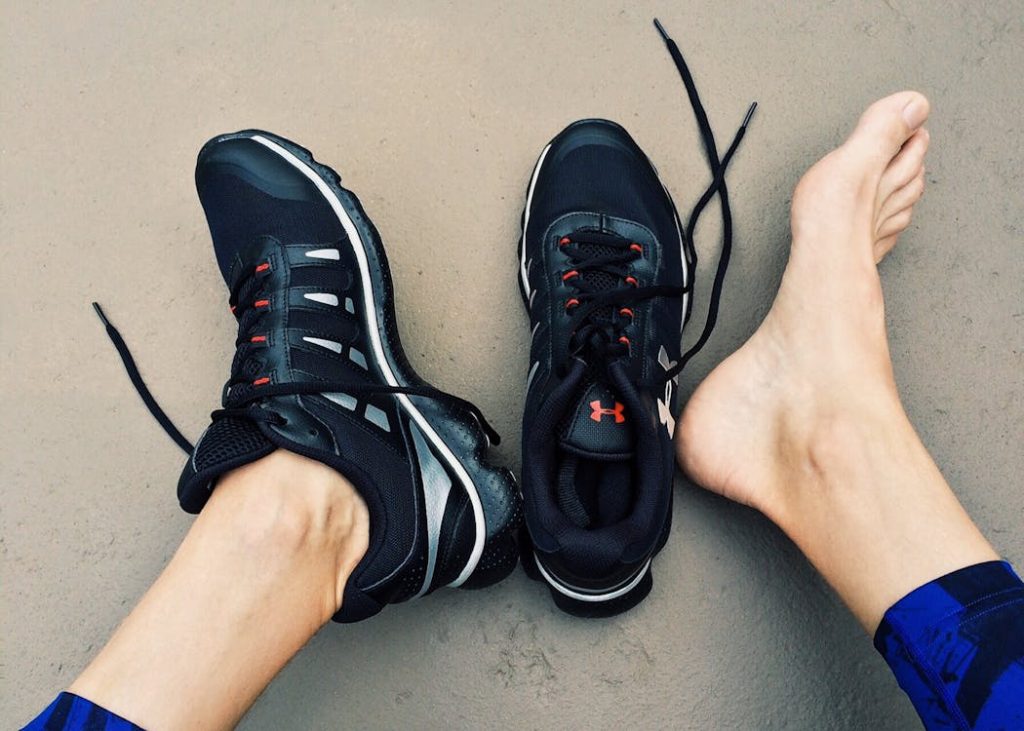
You can still assess whether or not your shoes are too tight by how they feel, you’ll just have to focus on different areas. For instance, check where your toes are naturally resting within the shoe. If they are touching the end of your shoe, you should consider getting the next size up.
Likewise, if your heel consistently presses or rubs up against the back of your shoe, it is not fitted right. If you struggle to notice these details, try to regularly check your feet instead. If you notice any blistering happens regularly, it might be time to get a shoe fitting.
How to avoid tight shoes
Finding fitted shoes is one of the best ways to potentially manage and reduce any pain you may be experiencing. These key tips may help you narrow down your search:
1. Try them on
The best way to check that your shoes fit is to try them on first. Check for the signs we’ve listed out to determine if they are too tight.
If you are struggling to find the right fit, consider measuring your feet to help narrow down your choices. If you are still unsure about the right size, consider reaching out to a podiatrist or other professional for a fitting.
2. Check the support
Good shoes, especially ones you wear regularly, need to have the right kind of support. Make sure the arch suits your feet or that you have your own soles or orthotics that do.
You can also test the shoe itself by bending it. The toes should be more flexible and easy to bend, while the middle of the shoe and the heel should be harder to move. If the sole of your shoe bends too easily, it won’t provide the right support.
3. Assess the shape
Try to avoid shoes with a narrow tip, as these are far more likely to constrict your toes and cause concerns. Instead, look for shoes that match the natural shape of your feet. If you have wider toes, look for a more rounded shoe or shoes specifically made for those with wider feet. Whatever your needs, try to match your footwear to better accommodate them.
Addressing your foot pain
If you’ve been wearing tight shoes for too long, you may already be experiencing pain or other foot health concerns. These simple treatments may help you mitigate your pain and discomfort:
1. Apply ice
As with many injuries, applying ice may help to reduce your pain and swelling. However, it’s important to apply ice correctly.
First, wrap your ice in a cloth. This is to keep it from touching your skin directly and harming it.
Next, apply your wrapped ice to the affected area. Try to avoid holding it there for any longer than 15 to 20 minutes, as holding onto your ice pack for too long could restrict your blood flow.
2. Stretch
Stretching your feet may help alleviate stiffness and pain, especially after spending hours standing or moving in tight shoes. Try sitting upright and lift your toes upwards, then scrunch them down to help stretch the tendons.
You could also manually separate your toes to encourage them to take up more room. This aims to provide relief and help them realign after being pressed together for so long.
3. Seek professional advice
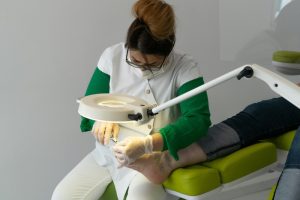
If your pain has recently increased or been consistent for some time, reach out to a professional. When you see a podiatrist, they should check your feet in an effort to find the problem and help address your concerns. They may also offer invaluable advice on the right types of shoes you should wear and their size. Ultimately, this may help you maintain your foot health.
For all your foot health needs
Finding a fitted shoe can be difficult, especially if you’re not sure what to look for. But, with the issues that tight, ill-fitting shoes may cause, finding supportive shoes is crucial to your health.
At CBR Podiatry we can work with you to help you get the perfect fit. With lengthy appointment times, we do all we can to listen to all of your foot-related concerns and address them with your needs in mind. Whether you need foot health advice or pain relief options, our dedicated team is here for you.