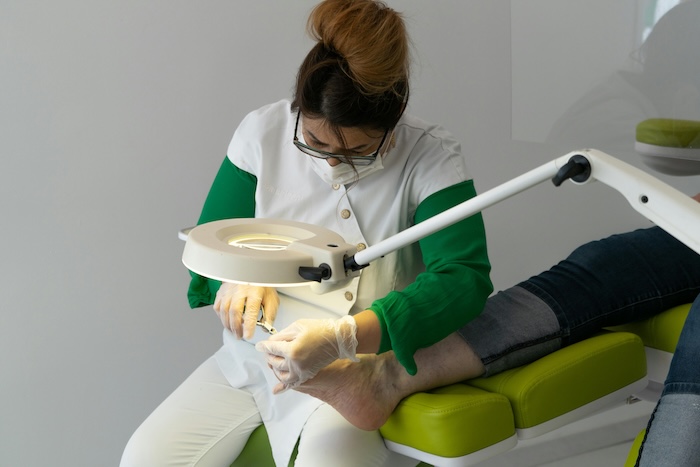
Ingrown toenails occur when the toenail grows into the surrounding skin, potentially causing damage that may lead to infection and pain. It predominantly affects the big toe and is among the top five most common conditions that podiatrists address.
Anyone who has experienced the pain of an ingrown toenail will be eager to prevent it from recurring, so they often wonder if there is a way to fix it permanently. This is possible; however, it’s an option that is usually only explored when other treatments have failed.
Following a patient-centric approach that prioritises our patients, the team at CBR Podiatry is well-positioned to provide professional podiatry care to people in O’Connor and surrounding areas. Our principal podiatrist, Nick Cotton, brings over 11 years of experience to the table. Get in touch with us for more information.
How Do I Know if I Have an Ingrown Toenail?
While the symptoms of an ingrown toenail may vary from person to person, some of the telltale signs include:
- Pressure or pain
- Redness
- Swelling
- Pus
- Blood
If an infection has developed, you may notice white, yellow, or green-coloured discharge (that may or may not have a foul odour). If you notice any of these symptoms, consult a podiatrist who will advise you on the most appropriate course of treatment.
Why Do Ingrown Toenails Occur… And Keep Recurring?
There are several reasons why ingrown toenails occur in the first place:
- Poor nail-cutting technique. When people curve the nail down into the sides of the toe instead of cutting it across in a straight line, it may encourage the nail to grow into the skin.
- Pulling at the nails instead of cutting them. When people pull or pick their nails off, tiny invisible spikes (spicules) can be left at the sides of the nail, which may continue to grow into the skin.
- Wearing ill-fitting footwear. When you wear shoes that are too tight or narrow, especially if they’re also pointed, this pushes the skin around your toes against the nail.
- Nail trauma or injury. If you’ve damaged your toenail (such as if you stubbed your toe, dropped something on it, or somebody stepped on it), it may change the way the nail grows.
- Genetics. The shape of the nail can be determined by genetics, with more naturally curved nails more likely to ingrow. People with bigger toes and more skin are also more likely to experience this issue.
When it comes to the recurrence of ingrown toenails, the most common cause is simply people not changing their habits. They continue to cut their nails incorrectly or wear ill-fitting shoes. Sadly, in the case of genetics, some people are just predisposed to developing ingrown nails.
How are Ingrown Toenails Addressed?
If you suspect that you have an ingrown toenail, it’s important to see a podiatrist sooner rather than later in an effort to prevent infection (if it hasn’t developed already). There are some conservative treatments that they may explore, including:
- Resection of the nail. This involves gently removing the offending portion of the nail or spicules, then cleaning the area and covering it with betadine and sterile dressings.
- Nail bracing or taping. A nail brace (known as an orthonyxia) or special tape may be applied to potentially guide the nail’s growth and reduce its curvature over time.
- Lifting the nail edge. This involves inserting a small piece of cotton or dental floss under the ingrown nail edge, which may help lift it away from the skin and allow it to grow out properly.
- Medications. While medications will not fix an ingrown toenail, over-the-counter pain relievers may provide relief, and antibiotics may be prescribed to fight any infection.
Your podiatrist may also advise you to wear open or loose footwear, do warm salt water foot soaks, or apply barrier cream as a part of your treatment plan.
Is There a Permanent Treatment for Ingrown Toenails?
If conservative treatment is unsuccessful, you have a severe case, or if your ingrown toenail is recurring, there are surgical options that may permanently prevent this issue. These include:
- Partial nail avulsion (PNA). This involves permanently removing the affected nail side under local anesthesia. Phenol is applied to the area in an effort to destroy the nail-growing cells and prevent them from growing back. This procedure enables you to maintain a relatively normal nail appearance and is successful in 92-98% of cases.
- Total nail avulsion (TNA). This involves permanently removing the entire nail under local anesthetic, following a similar procedure to a PNA. A TNA is generally only recommended in cases where the whole nail is severely deformed or where both sides continue to ingrow.
Other surgical options that may be explored include a wedge excision and heat or laser matrixectomy.
Can Ingrown Toenails be Prevented?
If conservative treatment was successful, you should take steps to prevent the ingrown toenail from recurring. Keep your feet clean and dry as much as possible, wear shoes that fit properly, and trim your toenails properly (cut straight across, don’t round the corners). Your podiatrist may provide other tips on proper hygiene and nail cutting practices.
If you ended up needing surgery to rectify the issue, these preventative measures may also be used to avoid ingrown toenails on other toes.
Hoping to Say Goodbye to Ingrown Toenails?
Whether this is the first time you’ve experienced an ingrown toenail or this is a problem you’ve been battling for years, we’re here to help. The CBR Podiatry team is highly experienced in dealing with ingrown toenails and is committed to finding a solution for you, your condition, and your lifestyle. Get in touch with us today and let’s start exploring your options.