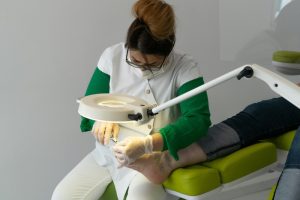
Ingrown toenails are a common and often painful condition. They may make walking, standing, or even wearing shoes uncomfortable. After some time, you may wonder if you can manage them at home.
While some people attempt to treat mild cases on their own, it’s important to understand that ingrown toenails can easily become infected. In most cases, professional treatment is the preferred choice.
In this guide, we’ll walk you through how to cut an ingrown toenail at home. We’ll go over the tools you’ll need, when to seek medical help, and how to prevent it from happening again.
Do you need ingrown toenail treatment in Canberra? Reach out to our team at CBR Podiatry today. With years of professional experience, we offer personalised, gentle care to treat the cause of your concerns.
What is an In-grown Toenail?
An ingrown toenail occurs when the edge of the toenail grows into the surrounding skin, usually on the big toe. This may cause pain, redness, swelling, and sometimes infection.
In more severe cases, the area may become warm, tender, and produce pus. It’s often caused by cutting toenails too short, wearing tight shoes, toe injuries, or having naturally curved nails.
Cutting Your Ingrown Toenail Step-by-step
While severe cases should always be treated in a clinic, mild or early-stage ingrown nails may be managed at home with care. Here’s a step-by-step guide to help you manage an ingrown toenail at home.
1. Know When to Try at Home
Before you begin, assess the severity of the problem. Check if the area is severely swollen, bleeding, infected, or producing pus. If this is the case, do not attempt home treatment. Seek immediate professional care.
Likewise, if you have diabetes, poor circulation, or a weakened immune system, you should seek support. For mild cases with only slight redness, discomfort, and no signs of infection, the following steps may help.
2. Soak Your Foot to Soften the Nail and Skin
Soaking may help reduce inflammation and make the nail easier to work with.
- Fill a clean basin with warm water and add Epsom salts (1–2 tablespoons)
- Soak your foot for 15–20 minutes, 2–3 times a day
- Pat your foot dry with a clean towel
This may soften both the nail and the surrounding skin.
3. Gather the Right Tools
Always use clean, sterilised instruments. Here’s what you may need:
- Nail clippers or nail scissors (sharp and clean)
- A cuticle stick or a clean, blunt tool
- Tweezers (optional)
- Antiseptic or rubbing alcohol
- Cotton or dental floss (non-waxed)
- Clean bandage
Disinfect all tools with rubbing alcohol before use. However, even with sterilised tools, at-home treatment carries a real risk of infection.
4. Gently Lift the Nail Edge
After soaking, gently try to lift the edge of the ingrown nail using a clean cuticle stick or dental floss. Do not force it. If it’s too painful or embedded deeply, stop and seek professional care.
If possible, insert a small piece of clean cotton or dental floss under the nail to keep it slightly lifted. Replace the cotton daily after soaking.
This may help train the nail to grow above the skin rather than into it.
5. Trim the Nail Carefully
If you feel confident, and the nail edge is clearly visible and slightly lifted:
- Cut the nail straight across, never round the corners
- Avoid cutting too short or digging into the sides
- If a sharp edge is causing irritation, gently file it smooth
Cutting the nail straight may prevent it from growing into the skin again. Cutting too deeply or at the wrong angle may exacerbate the problem. If you’re unsure, don’t attempt this step at home.
6. Clean and Protect the Area
Once trimmed:
- Apply an antiseptic to the area
- Cover it with a clean bandage to protect it from dirt and friction
- Wear open-toed or loose-fitting shoes for a few days to reduce pressure
Good hygiene is essential for preventing infection.
7. Monitor for Signs of Infection
Even with proper care, ingrown toenails may worsen. Watch for:
- Increased pain, swelling, or redness
- Pus or discharge
- Fever or spreading redness
If any of these occur, see a podiatrist promptly. Early intervention may prevent more serious complications.
Preventing Future Ingrown Toenails
Proper nail care may greatly reduce the risk of recurrence:
- Always cut toenails straight across (not curved)
- Avoid cutting nails too short
- Wear shoes that allow your toes room to move
- Keep feet clean and dry
If ingrown nails are a recurring issue, professional treatment such as partial nail removal may be necessary.
We’re Here When Home Treatment Isn’t Enough
Mild ingrown toenails may sometimes be managed with careful at-home care. However, ongoing pain, swelling, or signs of infection should never be ignored.
At CBR Podiatry, we provide gentle treatment options tailored to your needs. Whether it’s a one-off procedure or long-term foot care advice, we’re here to help every step of the way.
If you’re unsure about how to manage your ingrown toenail or need professional support, reach out to our team today.